Learn ChIP-Seq & Single Cell ATAC-Seq Data Analysis Using Linux and R
About Course
Are you ready to dive into the world of gene regulation and chromatin accessibility using cutting-edge bioinformatics tools? This course, “Master ChIP-Seq and ATAC-Seq Analysis Using Linux and R,” is your gateway to understanding and performing real-world epigenomics data analysis from scratch.
Designed for students, researchers, and professionals in bioinformatics, biotechnology, and genomics, this hands-on course will take you on a comprehensive journey through ChIP-Seq (Chromatin Immunoprecipitation Sequencing) and ATAC-Seq (Assay for Transposase-Accessible Chromatin using sequencing) data analysis using powerful open-source tools.
You’ll start by understanding the theoretical concepts behind ChIP-Seq and ATAC-Seq technologies, including how they’re used to investigate protein-DNA interactions and chromatin accessibility in cells. These insights are essential in fields like cancer research, developmental biology, immunology, and beyond.
What You’ll Learn
The complete bioinformatics pipeline for ChIP-Seq and ATAC-Seq
Setting up a Linux environment (even on Windows) for analysis
Running quality checks and trimming raw sequencing reads
Aligning reads to a reference genome and handling alignment files
Performing peak calling with MACS2
Annotating peaks and discovering DNA motifs using HOMER
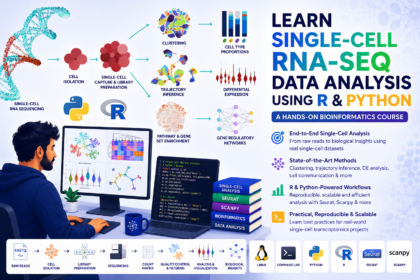
Understanding how single-cell ATAC-Seq works
Analyzing scATAC-Seq datasets in R using the Signac and Seurat packages
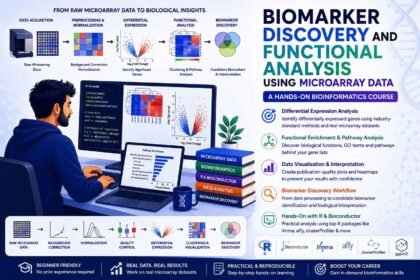
Visualizing chromatin accessibility and comparing multiple samples
Hands-On Linux and R Training
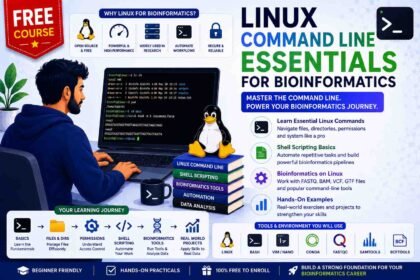
No prior experience with Linux or R? No problem. This course includes a full section on Linux for bioinformatics, where you’ll learn to navigate the file system, run basic commands, and handle biological data on the command line.
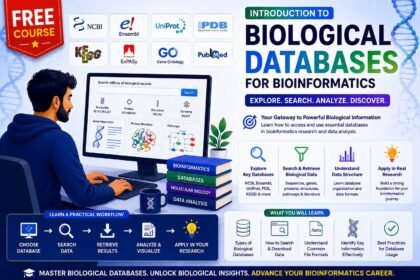
When working with single-cell ATAC-Seq data, we’ll shift to R—a powerful language for statistical analysis and visualization. You’ll get comfortable using RStudio, installing relevant packages, and working with real datasets from publicly available repositories like 10X Genomics and ENCODE.
Real Data. Real Tools. Real Skills.
Throughout this course, you’ll work with real ChIP-Seq and ATAC-Seq data to apply what you learn immediately. By the end of the course, you’ll be able to build your own analysis pipelines, interpret results, and even contribute to publications or research projects.
We cover essential tools used by professionals worldwide, including:
FastQC for quality control
BWA or Bowtie2 for alignment
MACS2 for peak calling
HOMER for peak annotation and motif discovery
Signac and Seurat for scATAC-Seq analysis in R
Who This Course Is For
Students in bioinformatics, computational biology, or life sciences
Researchers analyzing epigenetic or chromatin data
Professionals looking to upskill in genome data analysis
Anyone curious about sequencing data and open-source tools
No Prior Experience Required
Whether you’re a beginner or someone with basic knowledge of sequencing technologies, this course is structured to build your skills progressively from theory to practice.
Join now and gain the confidence to analyze and interpret ChIP-Seq and ATAC-Seq data like a pro. Let’s uncover the regulatory code of the genome one peak at a time.
Course Content
Course Introduction
What You Will Learn !!!
05:46
Introduction to Chip-Seq Data And Pipeline
Linux for Bioinformatics
ChIP-Seq Data Analysis Using Linux
Project 1: Chip-Seq Data analysis
Introduction to Single-Cell ATAC-Seq
Getting Started with R
Single-Cell ATAC-Seq Data Analysis Using R
Project 2: ScATAC Data Analysis
Get Certified in Bioinformatics
Showcase your achievement with a certificate recognized by students and researchers worldwide.
Your Instructor

Abdul Rehman Ikram
Bioinformatician | Data Analyst | Computational BiologistAbdul is a distinguished bioinformatician, data analyst, and computational biologist known for his exceptional contributions to the field of biomedical research. With a passion for integrating technology and biology, Abdul has carved a niche for himself, leveraging cutting-edge computational techniques to unravel complex biological data.
Driven by a curiosity to decode the complexities of life, Abdul believes in the power of interdisciplinary approaches. He is committed to mentoring the next generation of scientists, fostering a culture of innovation and continuous learning.