Learn Advanced Transcriptomics: lncRNA, miRNA & Psi-Seq Data Analysis
About Course
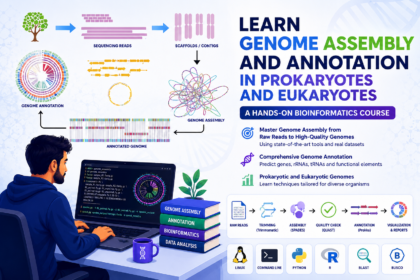
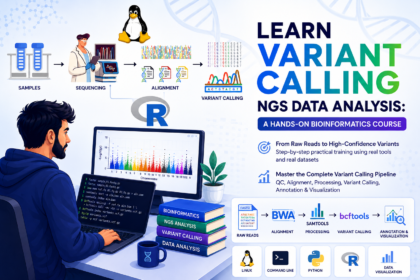
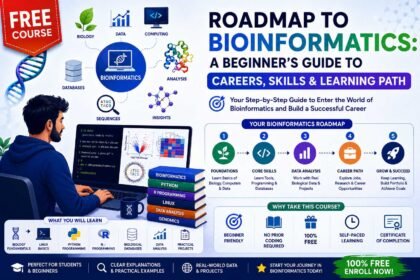
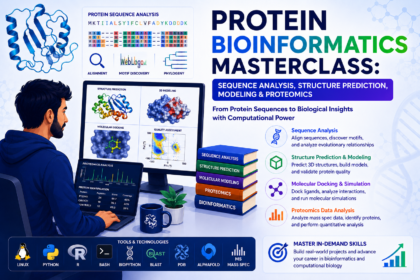
This course offers a comprehensive, hands-on exploration of advanced transcriptomics data analysis using Linux-based bioinformatics workflows. It is designed to provide practical, real-world experience in analyzing non-coding RNAs and RNA modifications from high-throughput sequencing data.
The course focuses on three major areas of modern transcriptomics: lncRNA-seq, miRNA-seq, and Ψ-seq (pseudouridine sequencing). Learners will work with real sequencing datasets and implement complete analysis pipelines starting from raw FASTQ files through quality control, trimming, alignment, transcript assembly, quantification, differential expression analysis, and biological interpretation.
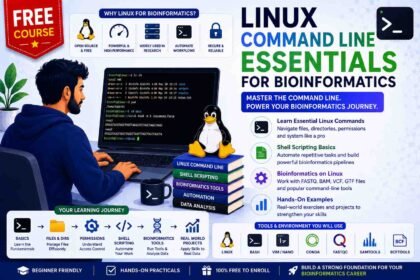
The curriculum begins with a strong conceptual foundation, covering coding versus non-coding RNAs, advanced transcriptomics concepts, and the regulatory roles of lncRNAs and miRNAs in gene expression. An optional Linux module is included to ensure learners are comfortable with the command line, file system navigation, genomic file handling, and environment management using Conda.
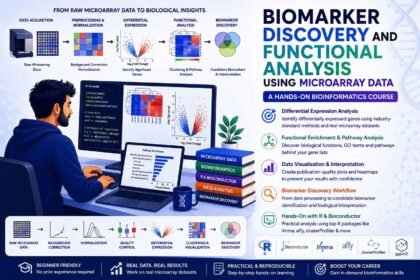
The lncRNA-seq module covers transcript assembly, classification, labeling, expression quantification, and differential expression analysis using DESeq2 and edgeR. Emphasis is placed on understanding transcript structure, annotation strategies, and biological interpretation of differentially expressed lncRNAs.
The miRNA-seq section introduces miRNA biology and sequencing principles, followed by hands-on analysis including quality control, adapter trimming, reference preparation, genome mapping, and novel miRNA prediction using miRDeep2. This module enables learners to perform complete miRNA profiling workflows commonly used in research studies.
The course also provides a dedicated module on RNA modifications, with a specific focus on pseudouridylation (Ψ). Through the Ψ-seq (Psi-seq) pipeline, learners will perform alignment, SAM/BAM processing, RT-stop extraction, Ψ-site detection using Python, and filtering and annotation of candidate modification sites. This section bridges experimental sequencing concepts with computational detection strategies.
The course concludes with a final integrated project, where learners combine lncRNA expression analysis, miRNA profiling, and RNA modification detection into a unified transcriptomics study. This project-oriented approach reinforces practical skills and prepares learners for thesis work, research publications, and professional bioinformatics projects.
Overall, this course emphasizes hands-on execution, reproducible Linux workflows, and biological insight, equipping learners with the skills required to independently analyze advanced transcriptomics datasets in academic and industry settings.
Course Content
Introduction
Introduction to Coding and Non-Coding RNA
06:16Introduction to Advanced Transcriptomics
03:57Long Non-Coding RNAs (lncRNAs), microRNAs (miRNAs), and RNA Modifications
08:32Role of Non-Coding RNAs in Gene Regulation
03:49
Basic Linux For Bioinformatics (Optional)
lncRNA-seq Analysis
miRNA-seq Analysis
PSI-seq (Ψ-seq) for RNA Modifications
Final Project: Integrated Transcriptomics Analysis
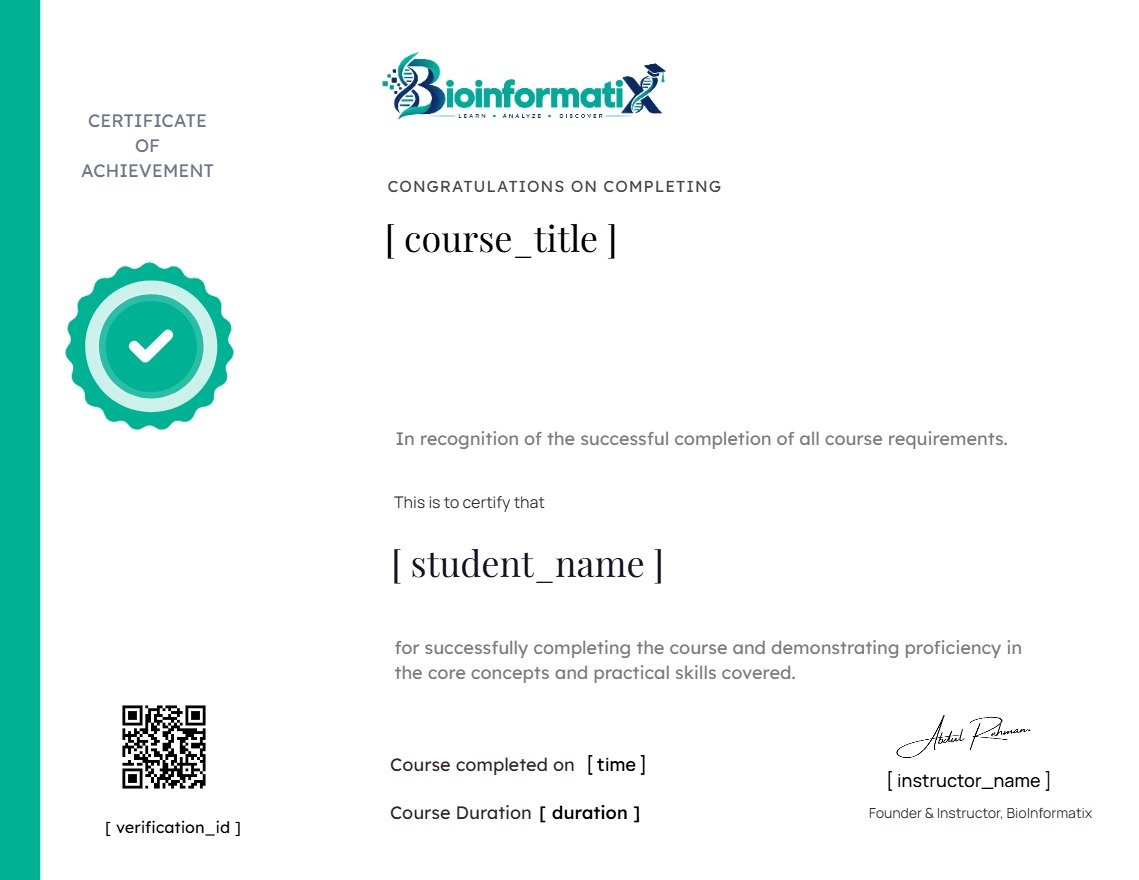
Get Certified in Bioinformatics
Showcase your achievement with a certificate recognized by students and researchers worldwide.
Student Ratings & Reviews

Your Instructor

Abdul Rehman Ikram
Bioinformatician | Data Analyst | Computational BiologistAbdul is a distinguished bioinformatician, data analyst, and computational biologist known for his exceptional contributions to the field of biomedical research. With a passion for integrating technology and biology, Abdul has carved a niche for himself, leveraging cutting-edge computational techniques to unravel complex biological data.
Driven by a curiosity to decode the complexities of life, Abdul believes in the power of interdisciplinary approaches. He is committed to mentoring the next generation of scientists, fostering a culture of innovation and continuous learning.